
How to Plant and Grow a Cardamom Plant
You want to be careful when you dig out your cardamom plant to ensure that you get the roots as intact as possible so it survives the shock of this process. Then, add some of the soil mixture we outlined to the height for planting. If the plants are going in containers, make sure that the planters have a layer of drainage material on the bottom with drainage holes.
Step 1: Germinating Cardamom Seeds
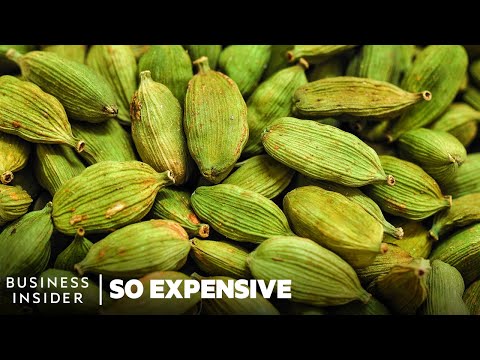
Just make sure to purchase from a reliable nursery because many “cardamom” plants that are sold online are identified inaccurately, says Martin. From late winter to spring, flower stems emerge from the bottom of the cardamom plant to form white to yellowish flowers with purplish centers. The plant has rhizomes, much like an iris, that grow horizontally with lance-like evergreen foliage.
Grow Cardamom: Complete Guide to Care, Timing & Tips
After either method, gently pat the seeds dry with a clean cloth before planting. Cultivating your own cardamom offers numerous advantages that extend far beyond the simple satisfaction of nurturing a plant from seed to harvest. So, start your cardamom-growing journey today and enjoy the many benefits of this powerful and aromatic spice!
Cardamom plants prefer filtered sunlight or partial shade. A small humidifier near the plants and regular misting helped achieve this. The adventure begins with selecting the right seeds. Beyond its culinary uses, cardamom is also cherished for its medicinal properties, making it a highly coveted spice worldwide. You can also pinch back the tips of the stems to encourage bushier growth. Trim off any dead or yellowing leaves and remove any suckers or shoots that emerge from the base of the plant.
Harvesting and Post-Harvest Care: Ensuring the Best Flavor from Your Homegrown Cardamom
- Cardamom seeds have a hard outer coating, which can make them slow to germinate.
- Misting your cardamom plants often will help mimic their native rainforest-type growing conditions.
- For gardeners with a passion for growing spices, cultivating cardamom is a rewarding and relatively simple project, provided you follow the right steps.
- Instead, cardamom plants should be grown in warm climates at temperatures between 65 and 95°F and around 75% humidity.
- Fill a container that contains drainage holes with a combination of one part seed-starting mix and one part sand.
- Cardamom is a popular aromatic spice that’s widely used today.
When harvesting, dry the pods for 6-7 days in a dark, dry place. Harvest the pods when they are green and still tender. In cooler climates, it can be grown indoors as a houseplant.
You can buy seeds from garden stores or online shops. Pick fresh, plump cardamom seeds for the best results. Learn to plant, care for, and harvest this prized spice. This guide will show you how to grow cardamom from seed. Stunted growth may signal insufficient light or a lack of essential nutrients, prompting a review of the Grow a Cardamom Plant plant’s light exposure and feeding schedule. After harvesting, pods should be dried within 24 hours to preserve their signature green color and potent flavor.
Expectations for First Harvest and Annual Yield
You need to grow the seedlings in the nursery until they attain several true leaves. In days your cardamom seeds should start sprouting. You can plant as many seeds in your seedling tray or pot provided they are an inch apart. Your local gardening supply store or online agricultural supply company should be able to supply you with the right seeds. Although you can extract seeds from capsules you’ve purchased from your local store, it’s wise to use seeds from a licensed agricultural seeds supply company. Before sowing the seeds, you must wash them thoroughly in warm water to detach the coat; dry the seeds.
When growing green Cardamom indoors, selecting the proper containers is essential. During the growing season, feed the plants every 4-6 weeks with a balanced fertilizer or compost. (like shredded leaves, straw, or coconut coir) around the plants to retain moisture, regulate soil temperature, and prevent weeds.
It’s important to avoid overwatering the seedlings as this can lead to root rot. It’s best to sow the seeds during the spring or summer months when the weather is warm. If you plan to store the seeds for an extended period of time, you may want to consider storing them in the refrigerator or freezer.